Powering the Global Renewable Energy Transition
A Professional Overview for International Importers
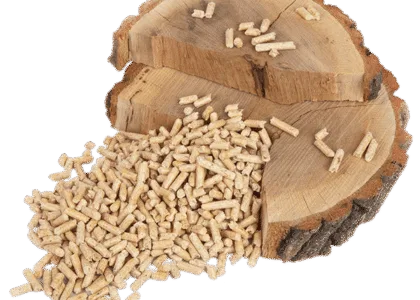
The global energy landscape is undergoing a fundamental transformation. As nations intensify their commitments to carbon neutrality and renewable energy targets, the demand for sustainable, reliable, and efficient biomass fuel sources has never been greater. Wood pellets have emerged as a cornerstone of this transition, providing a dispatchable renewable energy source that can effectively replace coal in power generation and industrial applications.
Indonesia, with its vast tropical forestry resources and rapidly expanding biomass processing industry, is positioned to become a dominant force in the global wood pellet market. This article provides a comprehensive technical and commercial overview of Indonesia’s hardwood pellet production, with particular emphasis on quality standards, production capacity, and supply chain reliability for international buyers.
The Global Wood Pellet Market: A Growing Opportunity
The industrial wood pellet market has experienced remarkable growth over the past decade. From 2012 to 2024, global wood pellet exports grew at a compound annual growth rate of 12.5%, driven primarily by regulatory frameworks in Europe and emerging markets in Asia that incentivize the transition away from fossil fuels .
Major power generators in the United Kingdom, continental Europe, and Japan have invested substantially in converting coal-fired power plants to biomass co-firing or dedicated biomass combustion. These investments are economically attractive because the capital costs required to convert a coal plant to biomass are a fraction of those associated with implementing offshore wind or other renewable technologies . Furthermore, unlike intermittent renewable sources such as wind and solar, wood pellet-fired plants are capable of meeting baseload electricity demand and are dispatchable—power output can be adjusted based on demand .
Europe remains the largest market for wood pellets, driven by binding climate change regulations, emissions reduction targets, and carbon pricing mechanisms. However, Asian markets, particularly Japan and South Korea, are rapidly emerging as significant growth centers. Japan’s feed-in-tariff system offers twenty-year support for renewable energy power facilities, creating stable long-term demand for industrial wood pellets . South Korea has also established quality standards for wood pellets, with most imported products achieving first-grade certification .
Indonesia’s Strategic Advantage in Wood Pellet Production
Indonesia possesses a unique combination of advantages that make it an ideal source for high-quality wood pellets:
Abundant and Diverse Biomass Resources: Indonesia’s tropical climate supports rapid growth of a wide variety of tree species suitable for pellet production. Dedicated energy plantations of fast-growing species such as Calliandra calothyrsus (Kaliandra) and Gliricidia sepium (Gamal) are being established on a significant scale across the archipelago . Additionally, agricultural residues, particularly coconut shells (Cocos nucifera), provide a valuable supplementary biomass source that enhances pellet quality.
Rapidly Expanding Processing Capacity: Indonesian producers are investing heavily in wood pellet manufacturing infrastructure. PT Biomasa Jaya Abadi (BJA), for example, has invested IDR 1.53 trillion in Gorontalo and holds a production capacity license of 900,000 tons per year . The company has already contributed USD 58.8 million in foreign exchange earnings through exports . Similarly, PLN Energi Primer Indonesia (PLN EPI) has partnered with Polish-based G7 Group to develop five additional biomass plants, with the first scheduled to operate in 2026, targeting 120,000 tons of annual production . These developments demonstrate Indonesia’s commitment to scaling up production capacity to meet international demand.
Sustainable Resource Management: Much of Indonesia’s biomass feedstock comes from land preparation activities for reforestation and plantation development. Producers pay significant Forest Resource Provisions (PSDH) and Reforestation Funds (DR), ensuring that raw material sourcing contributes to sustainable forest management . This supply chain transparency is increasingly important to international buyers who must demonstrate compliance with sustainability certification requirements.
Technical Excellence: Hardwood Pellet Specifications
The Indonesian wood pellet industry has developed substantial technical expertise in producing pellets that meet the most stringent international standards. The use of hardwood and mixed biomass feedstocks provides distinct quality advantages.
Raw Material Selection: The Hardwood Advantage
Research has demonstrated that hardwood-based pellets exhibit superior combustion characteristics compared to pellets made from softwood or herbaceous biomass. A study on biomass pelletization found that as the material mixture changes from pure hardwood to pure switchgrass (herbaceous biomass), ash content increases while activation energy decreases . Hardwood pellets also demonstrate more favorable durability characteristics.
Indonesian producers have optimized their feedstock formulations by blending fast-growing coppice woods (Kaliandra and Gamal) with agricultural biomass, particularly coconut shells. Research indicates that a 1:3 ratio of forestry biomass to agricultural biomass (such as coconut shell) produces the highest quality pellets, with calorific values reaching 4,507.67 cal/g (approximately 18.9 MJ/kg) for Gamal-coconut shell combinations . The addition of coconut shell is particularly beneficial because it increases the density and calorific value of the final product, while reducing ash content.
Quality Standards Compliance
International importers require pellets that meet established quality standards to ensure combustion efficiency, safe handling, and regulatory compliance. The most widely recognized standard is the ENplus® certification, which defines three quality classes:
ENplus® A1 (Premium Quality) : This highest grade is suitable for residential and commercial heating applications, as well as industrial use. Key specifications include:
Moisture content: ≤ 10.0%
Ash content: ≤ 2% (dry basis)
Mechanical durability: ≥ 98.0%
Bulk density: 600-750 kg/m³
Net calorific value: ≥ 16.5 MJ/kg (≥ 4.6 kWh/kg) as received
Nitrogen content: ≤ 0.3% (dry basis)
Sulfur content: ≤ 0.04% (dry basis)
Deformation temperature (ash melting): ≥ 1200°C
ENplus® A2: Suitable for industrial applications with slightly relaxed ash content limits (≤ 1.20%) .
ENplus® B: Industrial grade for specific applications with ash content up to 2.00% .
Indonesian producers have demonstrated the ability to meet these demanding specifications. Test reports for premium wood pellets show performance that significantly exceeds minimum requirements: moisture content of 4.8-5.4%, ash content of 0.40-0.46%, net calorific value of 17.7-17.9 MJ/kg, and mechanical durability of 98.2-98.8% . These specifications comfortably meet ENplus® A1 certification requirements, positioning Indonesian pellets as premium products in the international market.
The quality parameters are validated through standardized testing methods including ISO 18134 for moisture, ISO 18122 for ash content, ISO 17831-1 for mechanical durability, and ISO 18125 for calorific value .
Product Specifications: Ready Wood Pellets
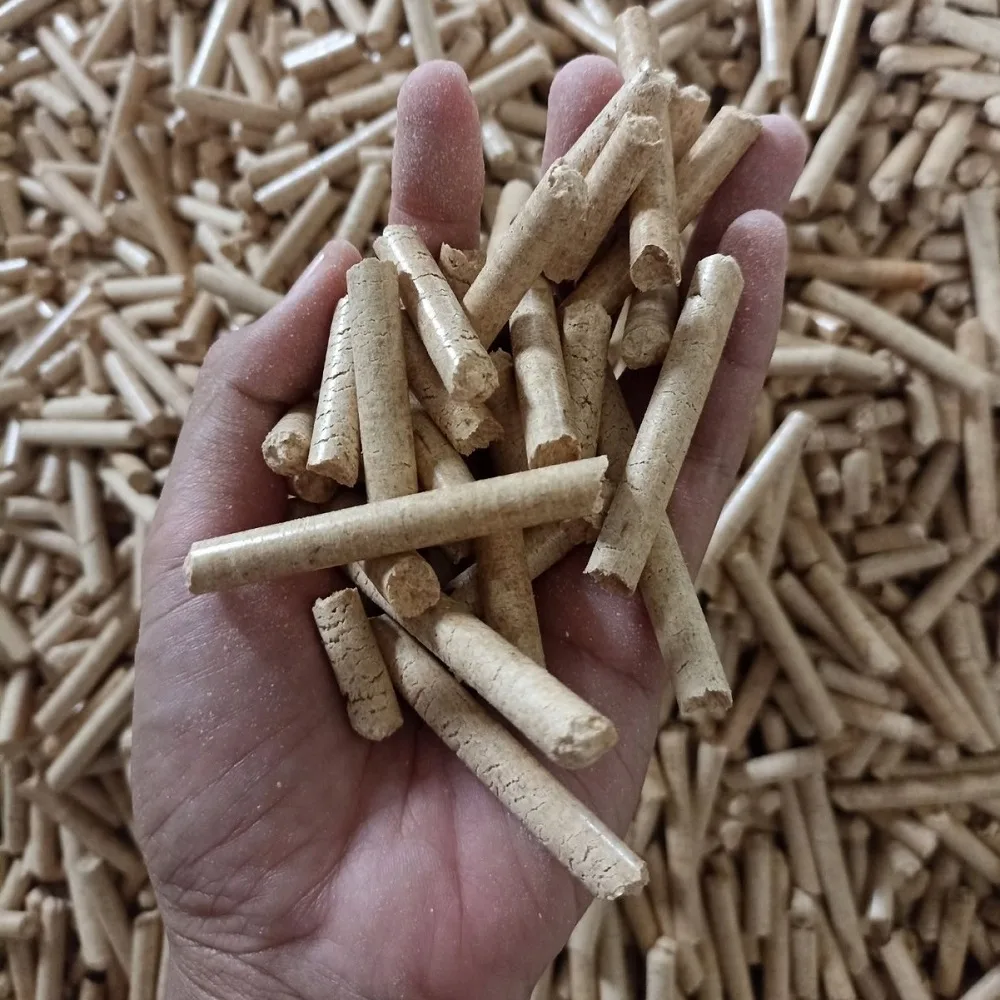
TSI Commodity offers premium Indonesian wood pellets produced from a carefully selected mixture of tropical hardwoods. Our product specifications are designed to meet the requirements of international power generators, industrial boiler operators, and heating system manufacturers.
Diameter: 6 mm or 8 mm (±1 mm tolerance)
Length: 3.15 ≤ L ≤ 40 mm
Moisture Content: ≤ 10% (typically 5-8%)
Ash Content: ≤ 2% (dry basis)
Mechanical Durability: ≥ 98.0%
Bulk Density: 600-750 kg/m³
Net Calorific Value: ≥ 16.5 MJ/kg (as received)
Sulfur Content: ≤ 0.04% (dry basis)
Nitrogen Content: ≤ 0.3% (dry basis)
Chlorine Content: ≤ 0.02% (dry basis)
Our quality control system ensures consistent product quality across all shipments, with comprehensive testing conducted in accordance with international standards. We maintain strict control over the entire production process, from raw material selection and drying to grinding, pelletizing, cooling, and packaging.
Supply Chain Reliability and Partnership Commitment
Production Capacity and Scalability
Indonesia’s wood pellet industry has demonstrated the capacity to scale production to meet growing international demand. With major producers holding production licenses of 900,000 tons per year and additional plants under development, Indonesian supply capacity is expanding rapidly . TSI Commodity is well-positioned within this growing industry to provide reliable, long-term supply to international partners.
Export Infrastructure
Indonesia has developed efficient export logistics infrastructure to support wood pellet shipments. Major export ports, such as Tanjung Mas Semarang, provide FOB shipping options with established logistics networks . Producers are experienced in managing Cost, Insurance, Freight (CIF) contracts, ensuring reliable delivery to destination ports in Europe, Asia, and other markets .
Contract Flexibility
We understand that international buyers require contract structures that align with their operational needs and risk management strategies. TSI Commodity offers flexible contract terms, including:
Long-term take-or-pay off-take contracts providing supply security
Pricing mechanisms with escalation provisions to accommodate market dynamics
FOB, CIF, and other INCOTERMS options
Flexible shipping schedules coordinated with buyer requirements
Comprehensive quality certification documentation
The Path Forward: Building Strategic Partnerships
The global wood pellet market is characterized by long-term relationships between producers and consumers. Utilities and large power generators require reliable, consistent supply over extended periods to support their significant investments in biomass conversion infrastructure . TSI Commodity is committed to building such partnerships with international buyers.
Our approach to partnership is founded on:
Technical Excellence: We maintain rigorous quality control systems and can provide comprehensive test reports for each shipment, demonstrating compliance with international standards .
Supply Reliability: Our production capacity, raw material supply agreements, and export logistics are designed to ensure uninterrupted supply to our customers.
Sustainability Commitment: We source our raw materials from sustainable forestry operations and land preparation activities, supporting reforestation and maintaining Indonesia’s forest resource base. This sustainability commitment is increasingly important to buyers in regulated markets.
Transparency: We provide full visibility into our supply chain, production processes, and quality control procedures, enabling buyers to maintain their own sustainability and due diligence requirements.
Conclusion
Indonesia is emerging as a significant global supplier of premium wood pellets, offering a unique combination of abundant biomass resources, rapidly expanding production capacity, and demonstrated technical capability to meet the most stringent international quality standards. The industry’s use of tropical hardwoods and optimized biomass blends produces pellets with exceptional calorific values, low ash content, and excellent mechanical durability—characteristics that are essential for efficient power generation and industrial applications.
The growing global demand for wood pellets, driven by climate change mitigation policies and renewable energy targets, creates substantial opportunities for international buyers to diversify their supply sources and secure reliable, high-quality biomass fuel. TSI Commodity is positioned at the forefront of this dynamic industry, ready to serve as a trusted partner for global importers.
We invite interested importers to explore the possibilities of partnering with us to meet their wood pellet supply requirements. Our team is prepared to discuss specific product specifications, contract terms, and supply arrangements tailored to your operational needs.
For more information, please visit: tsicommodity.com
TSI Commodity is committed to providing premium Indonesian wood pellets that support the global transition to sustainable, renewable energy. Our quality standards, production capacity, and supply chain reliability position us as a preferred partner for international buyers seeking secure, long-term biomass fuel supply.